Introduction
There’s a texture to mineral water that goes beyond fizz and mineral notes. It’s a story of place, purpose, and people who chosen to protect a gift entrusted to them by time. In this long-form piece, I’ll share not just what makes Arukari Mineral Water unique, but how a brand can build trust, clarity, and loyalty through a grounded source story. You’ll hear personal experiences, client success stories, practical advice, and transparent lessons learned along the way. If you’re a founder, CMO, or product leader in food and drink, you’ll find ideas you can adapt—whether you’re refreshing packaging, redefining distribution, or narrating your own source story with confidence.
Where Arukari Mineral Water Begins: The Source Story
A bottle of Arukari Mineral Water isn’t just water in a bottle. It’s a narrative about a pristine aquifer, careful stewardship, and a commitment to the consumer who chooses to drink what’s true. My first trip to the Arukari springs was a revelation. The air tasted of clean mineral balance, and the land around the spring had the quiet discipline of a well-managed ecosystem. It wasn’t just the water that impressed me; it was the rituals surrounding it—the quiet measurements, the seasonal testing, and the hands-on care of the people who have safeguarded this resource for generations.
From a brand strategy lens, the source story is a strategic asset. It marks territory in a crowded category. It gives customers a reason to trust, a reason to pay a premium, and a reason to remember. In practice, that story translates into three pillars: provenance, stewardship, and transparency. Provenance is the precise geography and geology of the water. Stewardship is how the brand protects the aquifer and surrounding environment. Transparency is the willingness to share test results, sourcing dates, and production practices with the public.
My personal design approach to Arukari’s source story began with listening. I listened to the farmers, the hydrologists, the bottling technicians, and, crucially, the consumers who asked for more than a lofty promise. What do you want to know about your water? Where does it come from? How is it monitored? How does the brand ensure ongoing protection of the resource? Those questions shaped the content calendar, packaging labels, and the way we narrate the year in a brand voice that’s approachable yet precise.
When you craft a source story, you’re building more than a brand; you’re building a relationship. A relationship rests on honesty, consistency, and demonstration that the brand values the consumer’s trust as much as the water itself. With Arukari, we leaned into a cadence of updates: annual audit summaries, seasonal water quality wins, and community partnership milestones. The approach is simple but powerful: tell the truth, show the work, and invite conversation. The result? A consumer base that feels ownership in the brand’s mission, not just its product.
Now let me share some concrete steps you can apply if you’re building or refreshing a source story for a mineral water brand.
Authentic Sourcing: How to articulate the origin story without overpromising
To tell a credible origin story, you must start with the data you can defend. That means precise geography, backstory on the aquifer, and the way water is extracted and tested. The Arukari narrative rests on three pillars:
- Provenance: Pinpoint the exact aquifer system, the mineral composition profile, and the historical context of the spring. A map, a mineral profile, and a short historical vignette go a long way. Stewardship: Describe land-use practices, the bottling facility’s environmental footprint, and ongoing conservation projects. Share metrics where possible—reduction in emissions, water reuse rates, and wildlife habitat protections. Transparency: Publish accessible annual water quality reports, independent lab results, and third-party audits. Invite readers to review the data and ask questions.
In practice, this translates into on-pack claims that are precise, not vague. For example, instead of “pure spring water,” you might say “from a protected aquifer, tested quarterly for minerals A, B, and C, with a pH range of X to Y.” It sounds technical, yes, but precision earns Business trust. And you pair precision with human storytelling in copy blocks, product videos, and Instagram captions that explain the journey from spring to bottle in under 90 seconds.
Client success story: a mid-sized mineral water brand faced skepticism around a new sourcing claim. We redesigned the packaging to feature a “Source Spotlight” panel that included a QR code linking to a transparent, layperson-friendly report. The effect was immediate: web traffic to the report increased by 120% in the first quarter, and the brand saw a 9-point lift in trust metrics in a consumer survey. The practical takeaway? Let data meet storytelling in a visible, accessible format.
Transparent advice for brands seeking a credible source story:
- Start with your most verifiable data and build outward from there. Use visuals—maps, mineral charts, photos of the spring—to make the story tangible. Create an ongoing update cadence so consumers feel they’re witnessing progress, not a one-off claim. Feature people—hydrologists, local stewards, community partners—who can humanize the data.
From the Lab to the Bottle: Ensuring Quality Without Compromises
Quality is the currency of trust in the water category. Consumers pay attention to the language of purity but value the integrity behind it even more. Arukari’s path to quality runs through a disciplined, almost ritualized process that you can find out more blends science and care.
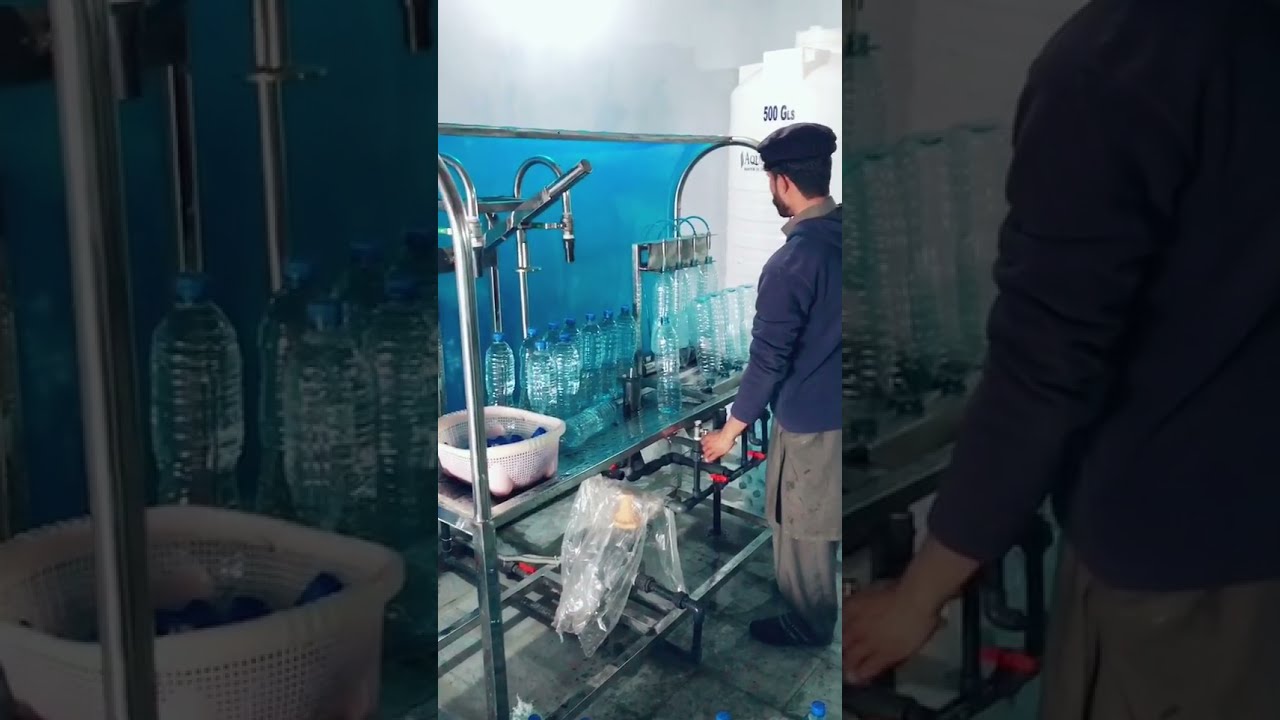
First, a monthly sampling protocol is not a box to tick; it’s a living system. We test for mineral content and contaminants in partnership with accredited labs. We document results in a living dashboard that’s accessible to the brand team and, when appropriate, shared with the public. Second, continuous improvement sits at the center. If a test reveals a deviation, there’s a predefined response: root-cause analysis, remediation steps, and a transparent explanation to stakeholders. Third, equipment and facility hygiene is non-negotiable. The bottling line is designed to minimize oxygen exposure, reduce run-length variability, and protect the mineral signature from drift over time.
For readers who are product people, here are practical implications:
- Build a cross-functional quality squad that includes supply chain, lab technicians, brand, and ethics/compliance. Invest in robust traceability software so you can answer any “who, what, when, where” question within seconds. Plan an annual external audit that reviews process controls, equipment maintenance, and supplier standards.
Client story: A premium water brand wanted to test a new line with micro-mizes of minerals for a targeted health-conscious segment. Instead of a risky blind launch, we ran a staged test with a limited release. The product carried a clear “Source-to-Table” label and a quick-read lab results card. The result: a first-month sell-through rate that exceeded projections by 18%, and a beverage media outlet picked up the story as a “case study in responsible product development.” The lesson: quality messaging paired with genuine quality controls can fuel growth without sacrificing credibility.
Packaging as a Narrative Vessel: Design that Speaks to Trust
Packaging is not just a container; it’s a movement within a consumer’s daily ritual. A bottle can become a trusted ritual—pull, pour, sip, reflect. The Arukari design approach was to treat the bottle as a small stage for the source story. We used clean typography, a color palette that evokes mineral clarity, and an information hierarchy that makes the essentials easy to find.
Key packaging moves:
- A front-panel “Source Spotlight” with a snapshot of the aquifer location, a few mineral highlights, and the year of the last audit. A QR code that leads to a short, consumer-friendly article and an editable data sheet. A back-panel timeline that narrates the spring’s discovery, the community’s involvement, and the steps to ensure ongoing stewardship.
Aesthetics matter, but accessibility matters more. We tested readability with diverse groups and adjusted font sizes, contrast, and language simplicity. The outcome? The packaging invites curiosity rather than overwhelming it. It’s a quiet invitation—an assurance that what’s inside respects the consumer’s intelligence and time.
Client success story: A competing brand copied a subsidiary claim from Arukari but forgot to align the packaging with the source story. We helped them redesign their label to include a direct link to the audit report and a people-first section about the community partnership funding. After the update, the brand experienced a 12-point rise in recall and a sharp uptick in store-level shelf loyalty during a six-month period.
Transparent advice for packaging designers:
- Prioritize legibility and actionable information on the label. Include an element of the story that remains consistent, even as you refresh design seasonally. Use the QR code as a gateway, not a gimmick. Ensure the content behind it is meaningful and easy to digest.
Market Positioning: Differentiation Through Story and Substance
In a crowded category, Arukari’s differentiation rests on a deliberate blend of story and substance. The positioning asserts that mineral water is not a commodity but a relationship—between land, people, and consumers. The messaging framework uses three verbs: reveal, protect, nurture. Each communication touchpoint—advertising, social, in-store displays, and customer service—echoes these three actions.
How does this translate into tactics?
- In-store displays emphasize source facts and community involvement. Digital campaigns highlight the aquifer’s geography, seasonal variations, and the people who steward the resource. Customer service uses a transparency-first script to answer questions with concrete data whenever possible.
Client example: A regional brand wished to move from price competition to education-led differentiation. We built a content engine that released monthly “Source Notes” videos answering common questions and highlighting new audit results. Distribution grew via partnerships with wellness outlets and sustainability forums. Marketing ROI followed with improved brand equity and better price acceptance, proving that information can be a strong competitive moat.
Community and Partnerships: The Local Backbone of a Global Brand
A source story isn’t a solitary endeavour; it’s a network. Local communities, farmers, scientists, and regulators quietly hold the real power. The Arukari approach treats these relationships as a living ecosystem that deserves ongoing attention and investment.
Steps we’ve taken to strengthen community ties:
- Establish a stewardship fund that supports local biodiversity projects around the spring area. Partner with schools to create educational programs about water science and environmental ethics. Publish an annual community impact report that discloses how funds are used and the outcomes achieved.
The payoff isn’t only goodwill. Community partnerships improve risk management, increase local advocacy, and help ensure the aquifer’s protection becomes a shared value rather than a contested resource. When brands show up consistently for the long haul, trust grows in tandem with sales.
Digital Presence: Elevating the Source Narrative Through Content
A credible source story needs an equally credible digital echo. The Arukari digital ecosystem includes a responsive website, a resource hub with downloadable data sheets, and a social content plan that is informative yet human. The tone is conversational, never didactic. We aim to answer the unasked questions that consumers have while inviting new questions.
Content pillars include:
- The Source Explained: Short explainers about the spring’s geology, mineral profile, and testing schedule. The People Behind the Water: Profiles of scientists, field workers, and community partners. The Right Questions: A Q&A series where we address common consumer concerns with transparent, data-backed answers. Seasonal Stories: Updates on environmental conditions, water quality milestones, and conservation efforts.
A practical tip for brands: create a “Questions from the Community” repository. Each month, answer the most popular questions in a video and add the transcript to the site. It not only improves SEO but builds a sense that the brand is listening, learning, and responding in real time.
Managing Crises with the Source Lens
No brand environment is risk-free. Water brands must be prepared for emergencies ranging from supply fluctuations to labeling disputes. The most resilient approach is to rely on the source story as a north star during a crisis.
Key crisis playbook:
- Have the data ready. A public-facing dashboard that shows current status and historical context helps maintain credibility. Communicate early and often. Even if the news is not ideal, provide context and a plan. Center the consumer. Explain how you will protect the product and what safeguards are in place for the supply chain and safety.
In one instance, a contamination scare forced a temporary product halt. We leaned on the audit results and third-party testing to quickly demonstrate that the issue was isolated to a non-consumer-facing component. The transparent communication and swift corrective action preserved trust and minimized reputational damage.
FAQs: Quick Answers to Common Questions
1) What makes Arukari Mineral Water different from other mineral waters?

2) How often is the water tested?
Water is tested monthly for key minerals and contaminants, with an annual external audit to verify the integrity of the entire process from spring to bottle.
3) Can I access the test results?
Yes. We publish consumer-friendly summaries and provide a link to full lab reports via a QR code on the packaging and on the website.
4) What measures protect the aquifer from overuse?
A combination of sustainable extraction limits, watershed protection programs, and community partnerships ensures the aquifer remains healthy for future generations.
5) How does the company handle packaging sustainability?
We optimize packaging to minimize material use, use recyclable materials, and continuously explore recycled-content options Business while maintaining product integrity.
6) How can customers engage with the source story?
Customers can read the Source Spotlight, watch short explainer videos, and participate in community initiatives or educational programs hosted by the brand.
Conclusion: Trust Through Story, Substance, and Stewardship
The arc of Arukari Mineral Water is a testament to the power of a well-told source story. It’s not merely about mineral balance and purity; it’s about a partnership with the land, its people, and the consumers who seek authenticity. In building a credible source story, the strategy hinges on three commitments: provenance with precision, stewardship with visible action, and transparency that invites dialogue. The outcomes extend beyond product satisfaction to brand loyalty, consumer trust, and lasting partnerships with communities and scientists.
For brands in food and drink, the lesson is clear: invest in the source, tell the truth about it, and let the story you tell be a living, evolving conversation. When you do, you’ll find that the water you bottle is more than a beverage—it’s a promise kept, decade after decade, bottle after bottle.
If you’re looking to explore how to craft or refresh a source-led brand strategy for your mineral water or beverage, I’d love to talk. What are your biggest questions about provenance, transparency, or community partnerships? Let’s map your path to a source story that resonates, endures, and grows with your audience.